

Members’ message to ministers: unlock housing supply and investment with Budget
Informed by our engagement with member agents operating in Wales, Propertymark has called on the Senedd’s Finance Committee to ensure the 2027–28 Budget addresses the real financial pressures facing property businesses and the wider housing market. We urge the Welsh Government to prioritise practical action that improves the availability and quality of homes, rather than adding costs or regulation that could reduce supply.

Housing supply must be at the heart of Government agenda
Propertymark has urged the Senedd’s Local Government, Housing and Planning Committee to make increasing the supply of homes its top priority. Our response to the Committee’s consultation on its future work programme sets out three priorities: delivering more homes across all tenures, sustaining a well-regulated private rented sector, and promoting professionalism and consumer confidence in property agents.

New energy standards will reshape homes from March 2027
The Future Homes and Buildings Standards will introduce new minimum requirements for energy efficiency, low-carbon heating and renewable electricity in new homes and non-domestic buildings in England. For property professionals, the changes will affect the homes coming to market, the systems buyers and tenants need to understand, and the information agents may need to provide about heating, ventilation, solar panels and energy performance.
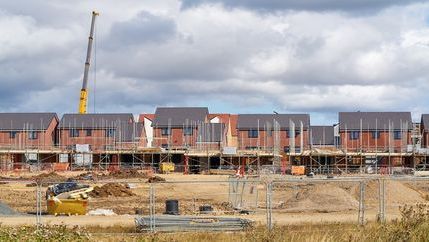
Funding and devolved powers put mayors at heart of housebuilding drive
A first wave of almost £10 billion will support more than 70,000 social and affordable homes across England, with regional mayors gaining greater influence over housing investment and major planning decisions. The UK Government says future funding will prioritise Social Rent and council housebuilding as it works towards delivering the largest council housebuilding programme since the early 1980s.

More than planning reform is needed to reopen the door to homeownership
The proportion of owner-occupiers has changed little over the past decade and remains below its 2003 peak, while high prices, large deposits, and a weak development pipeline continue to restrict access for first-time buyers and suppress mobility for those already on the property ladder. New planning rules may help, but government and industry evidence supports Propertymark’s position that wider reform is needed across housebuilding and the buying and selling process to restore adequate supply and revitalise the market.

Stamp Duty changes ruled out as housing priorities take shape
Prime Minister Andy Burnham’s first days in office have brought several announcements and appointments with implications for the property sector. Angela Rayner has returned as Housing Secretary, rent controls have been ruled out for England, targeted business rates support has been announced, and Burnham has confirmed that Stamp Duty will not change at the Autumn Budget.

National Housing Bank backs new homes and regeneration across England
£35 million of new lending has been announced to unlock around 2,500 homes and regeneration projects in Salford, Bromley, and Ludlow. The Bank’s ability to offer flexible finance and work with a wide range of partners is welcome. However, its success must ultimately be judged by how quickly announced investment delivers completed homes of the types and tenures needed in each local market.

Calls to scrap Stamp Duty and Council Tax put property tax reform back on the agenda
Centre for London has called for a Proportional Property Tax as part of a wider plan to tackle London’s housing crisis. The city not only needs more homes, but also a better way to use, fund, and distribute the homes it already has. Although the report focuses on the capital, many of the pressures it identifies are felt across the UK, including a shortage of social housing, high moving costs, a lack of suitable homes for older people, and barriers to new development.
Right to Buy reforms must be matched by long-term action on housing supply
The UK Government is implementing a major overhaul of the Right to Buy scheme, including increasing minimum tenant eligibility to 10 years, cutting the maximum discounts to 15%, and introducing a 35-year exemption for new builds. These reforms aim to stop the rapid depletion of social housing stock, allowing councils to retain and rebuild homes, with 100% of sales receipts available for investment starting in 2026–27.

Senedd election 2026: what are the political parties saying on housing?
With the Senedd election approaching on 7 May 2026, housing remains a critical issue across Wales. All major parties recognise the need to increase supply and improve affordability, but their approaches differ significantly. The next Welsh Government will need to strike a careful balance between raising standards and maintaining investment, particularly in the private rented sector (PRS).

Scottish election 2026: what are the political parties saying on housing?
With the Scottish Parliament election approaching on 7 May 2026, all major political parties have set out their housing priorities. The next Scottish Government will need to strike a careful balance between improving standards and maintaining supply. Policies that focus too heavily on regulation risk reducing investment, while those that prioritise supply must still ensure quality and consumer protection.

New laws to identify potential land use
The UK Government has published draft regulations introducing a new disclosure regime for land agreements that give control over development without transferring ownership. The rules, which will apply in England and Wales, stem from the Levelling-up and Regeneration Act 2023 and are expected to come into force on 6 April 2027.
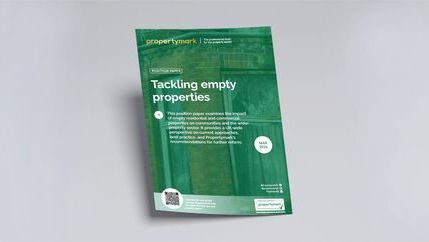
Tackling empty properties
The UK has more than 359,000 homes sitting empty for over six months. Long-term vacancy represents a wasted asset at a time of acute housing need, while also contributing to social decline, increased maintenance costs, and reduced local investment. A more strategic, well-resourced approach is essential to bring empty properties back into use and support thriving, sustainable communities.

Seven new towns to boost housebuilding across England
The proposals form part of a wider ambition to accelerate housebuilding and tackle long-standing shortages, with large-scale developments expected to play a central role in delivering new homes and infrastructure. For property agents, these proposals signal continued focus on boosting supply, but also reinforce the need for practical, deliverable solutions that can bring homes to market more quickly

Clear evidence of local demand must drive planning decisions
Consultation on proposed updates to the National Planning Policy Framework (NPPF) aims to ensure planning decisions better reflect Local Plans across England. Propertymark’s response emphasises that policy must focus on delivering the homes people actually need, supported by infrastructure, clear guidance, and stronger safeguards to ensure developers fulfil their commitments.
Senedd 2026: Our priorities for Wales’ housing future
With elections to the Senedd approaching, we have set out clear priorities for the next Welsh Government to support a stable, professional and sustainable housing sector. Our new manifesto, published in Welsh and English, outlines practical steps to increase supply, raise standards and support property professionals, while ensuring consumers are protected.